The brief#
A community for mindful people, Pathless Presence rests on the idea that nobody hands you a path: you go forward from your own experience. It reached us as an idea, asking for an image model of its own to keep on-brand content flowing.
Building a model from scratch is work for the largest labs, so we proposed a dependable way to make on-brand images on demand. Three months later they returned with the art style settled with their artist, nothing online, and one brand asset: a small, low-resolution logo. They wanted the platform first.
A platform with room to breathe#
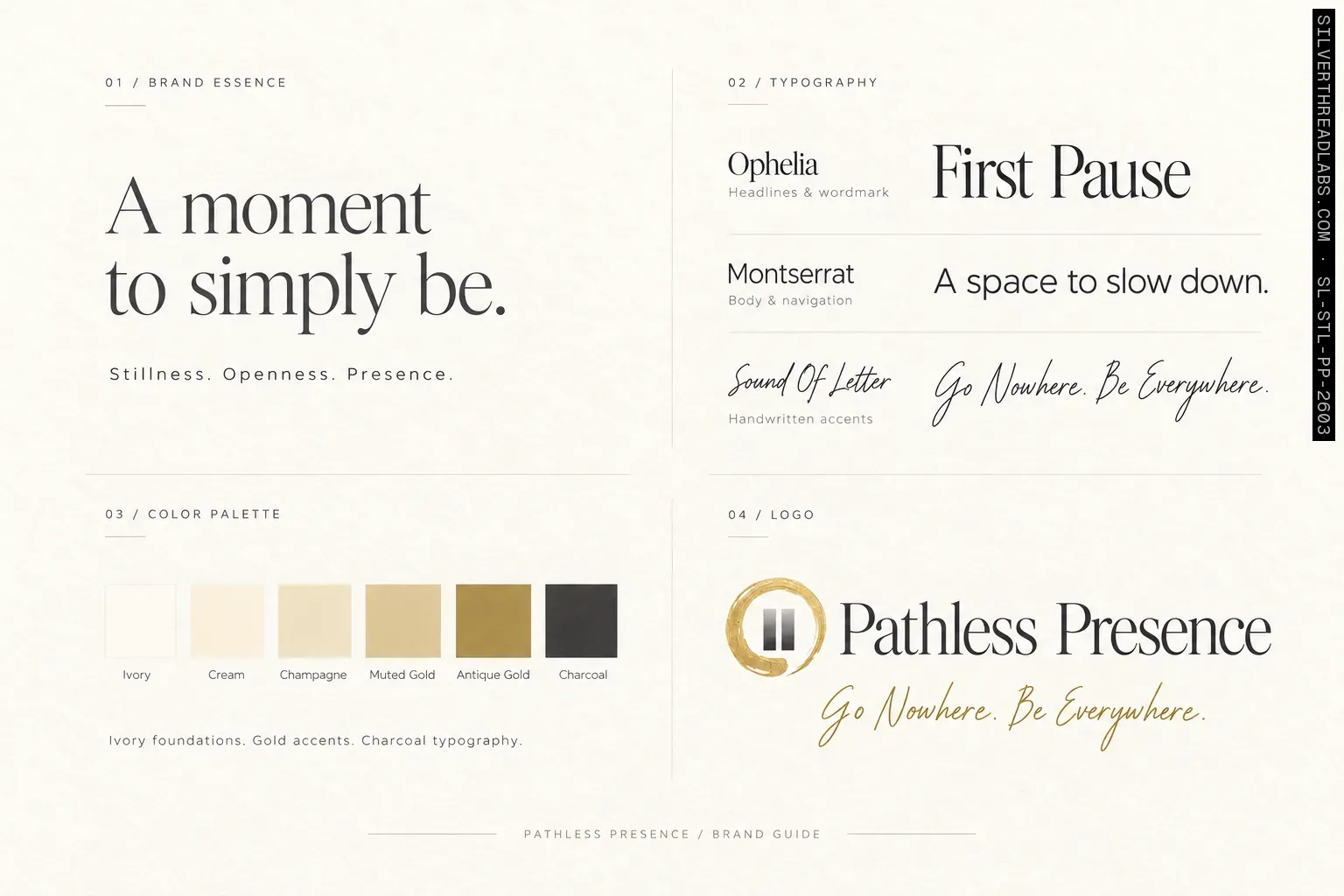
Saif Pasha built the brand out of that logo, adding its colours and a design language. He then mapped out every page, designed the site and built it, leaving wide space around the artist's paintings throughout. The copy, written with a poet, had to be gentle: no preaching, no guru handing down enlightenment.
Two AI agents follow the poet's dos and don'ts, and both read from one knowledge base, which the team fills with teachings and with transcripts of its own talks. Members chat with the first, The Door, on the site. The second works in the admin panel: a content agent that drafts posts in the brand's voice for every channel, carousels of twenty slides among them. The team can change what either agent knows and how it speaks, no developer needed.
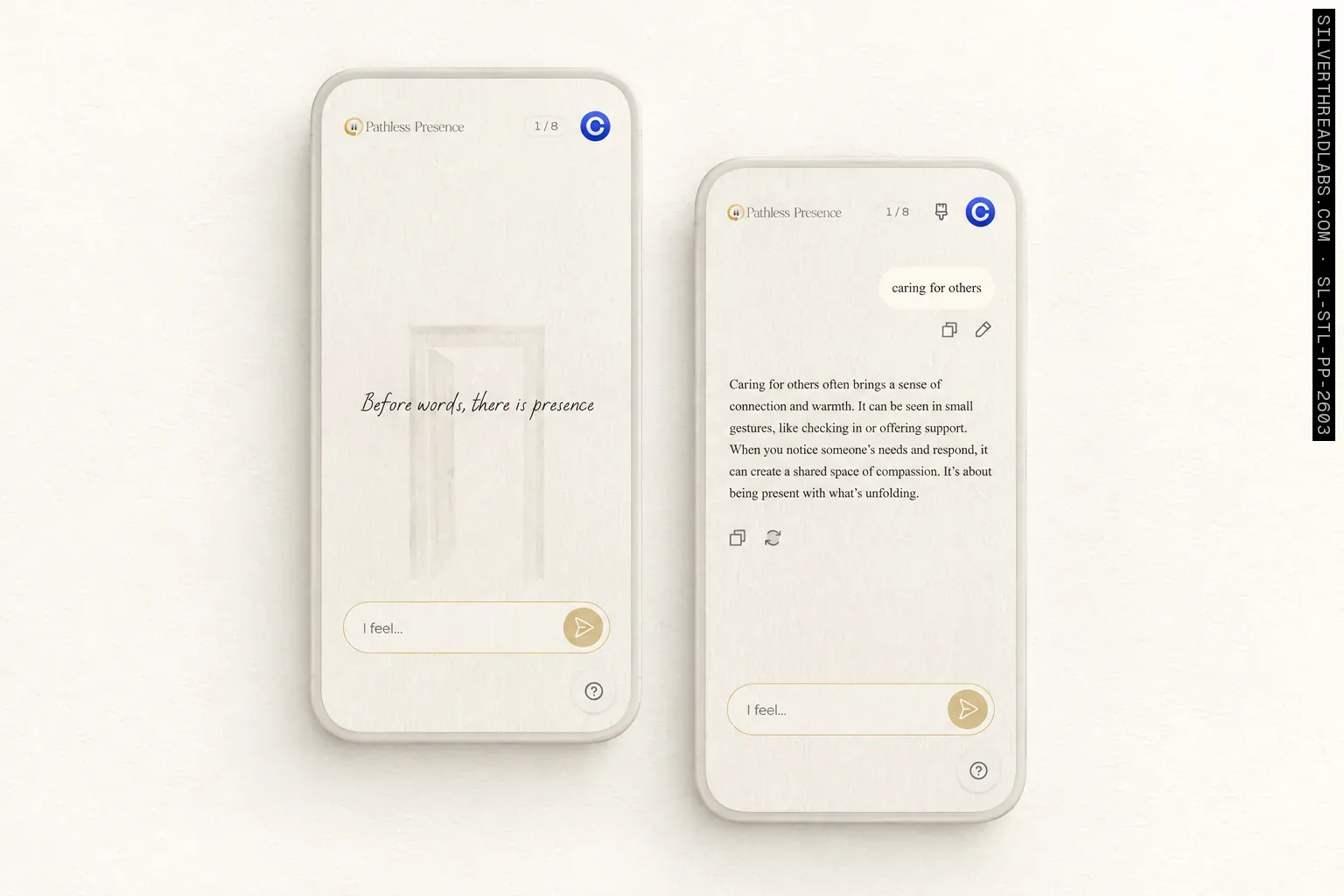
Pathless Presence already had Circle to host its community, so Saif set it up there, giving every step of the journey its own space, from a newcomer's first pause through to the weekly calls and an archive of their recordings. He linked it to the site with one sign-in and gave every space a page there.
The hard part: a style image models pull away from#
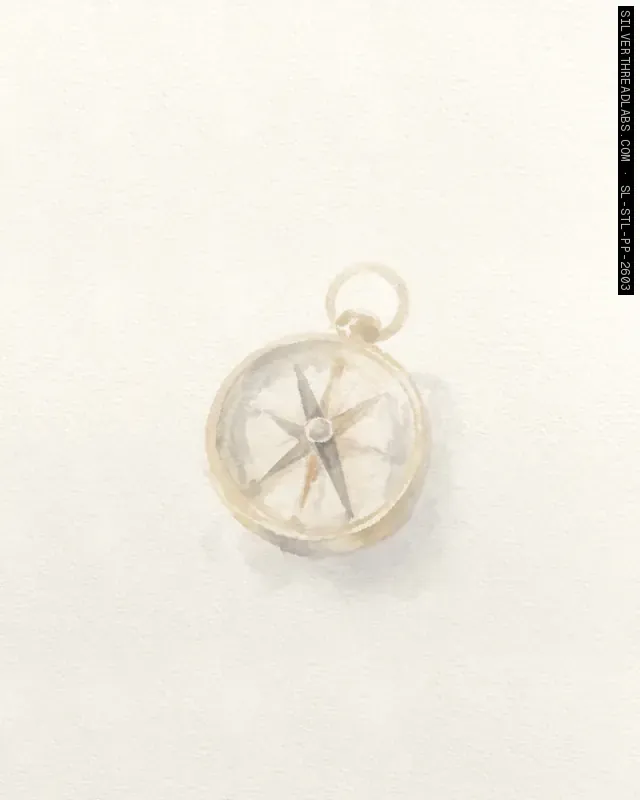
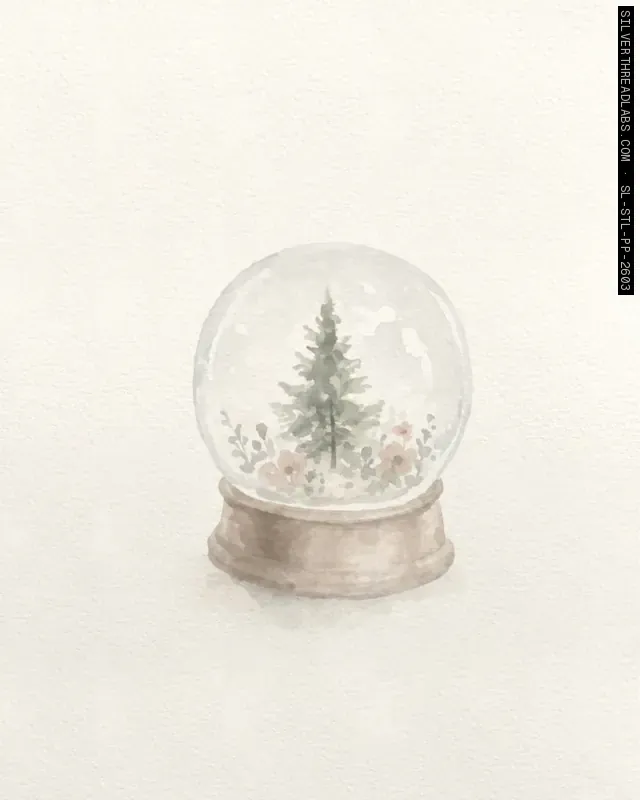
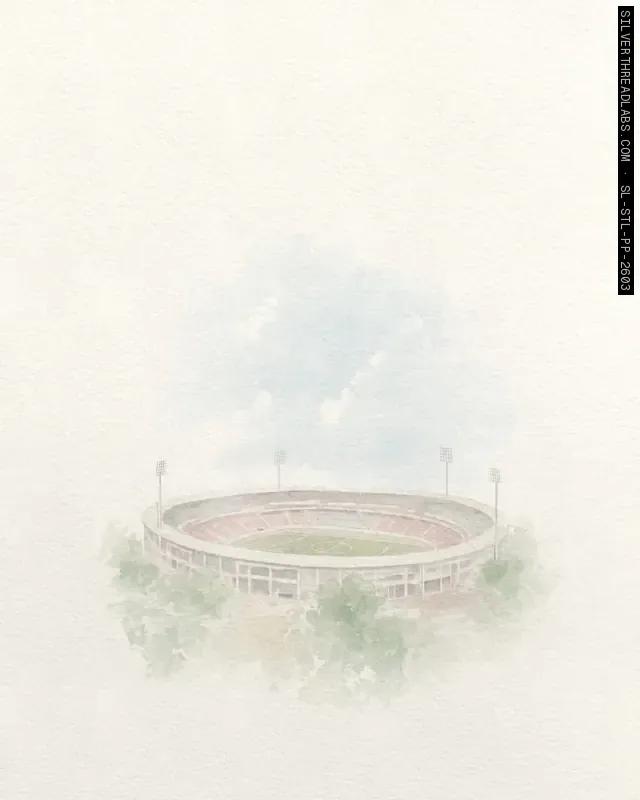
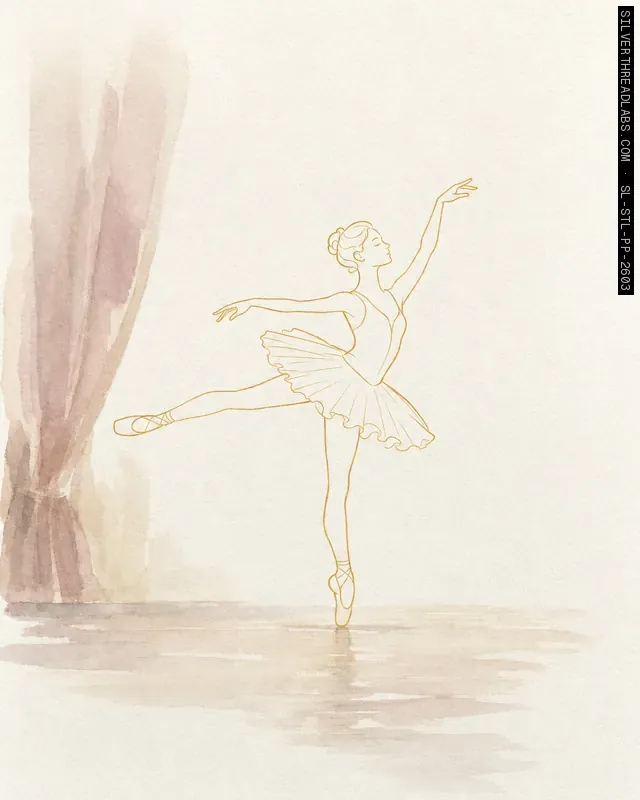
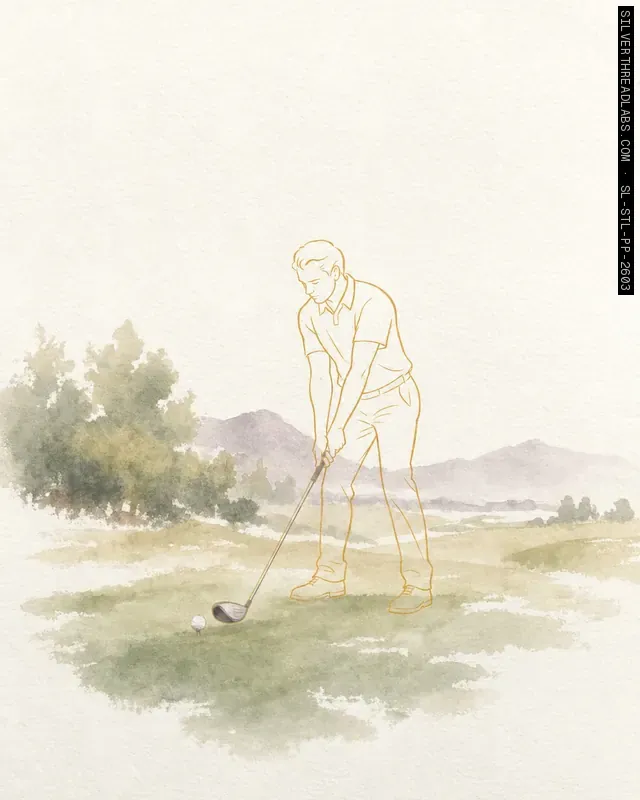
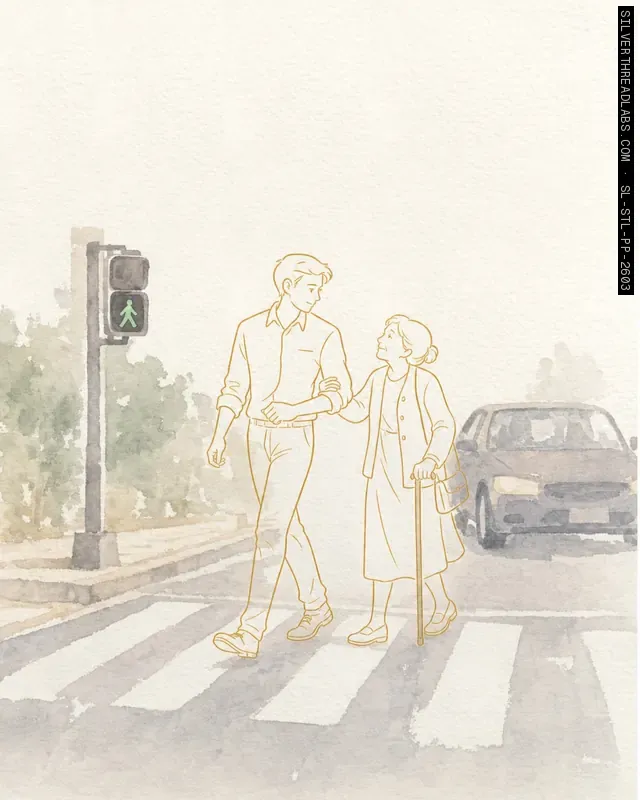
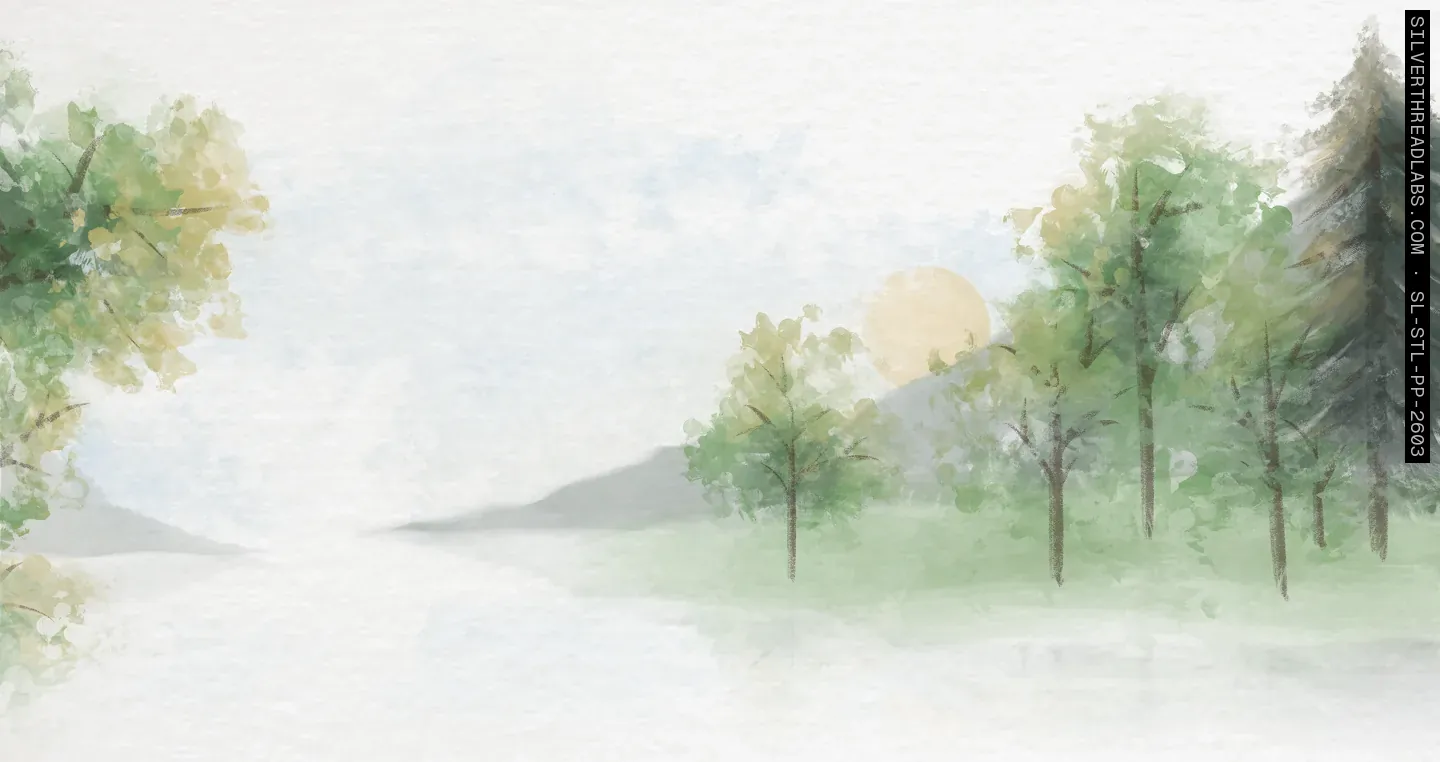
Their artist's style sits close to Chinese ink: soft watercolour on cream paper, across objects, spaces and characters. Each character is a gold outline with the scene visible through its skin. Photographs, CGI and anime make up most of what image models learn from, and a style this rare pulls against all of it.
Saif and their team began with Midjourney, then moved to Nano Banana and Leonardo. Each came close, then slid into a look of its own, adding more detail than the style allows and letting colour run past the edges. Saif then hosted Flux on ComfyUI and trained a LoRA, an add-on that teaches a model a single style, on the artist's paintings. A GPT Image agent came most of the way at once, then stalled across about fifty versions of its instructions, a plateau showing prompting alone could take it no further. A second Midjourney round drifted like the first.
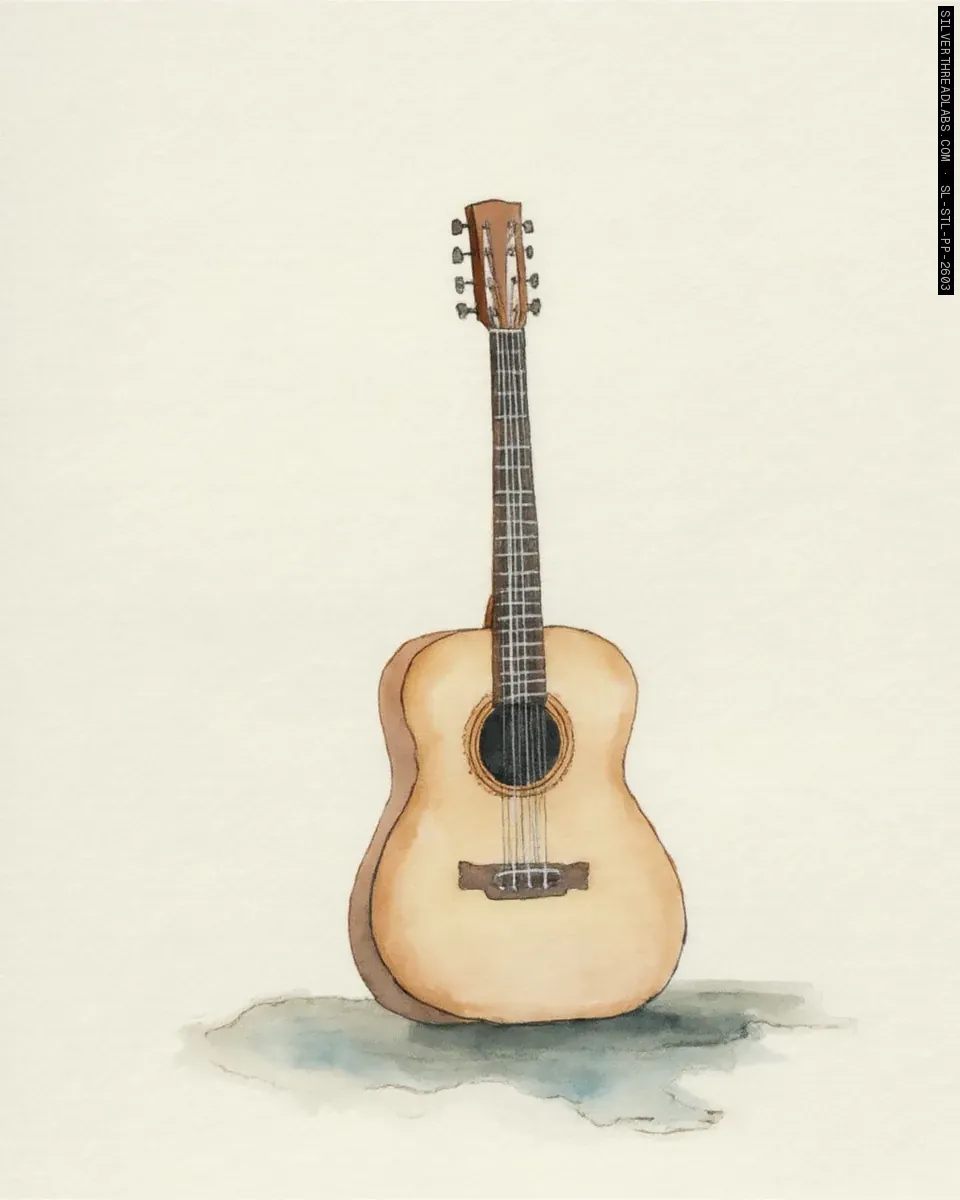 Flux on ComfyUI
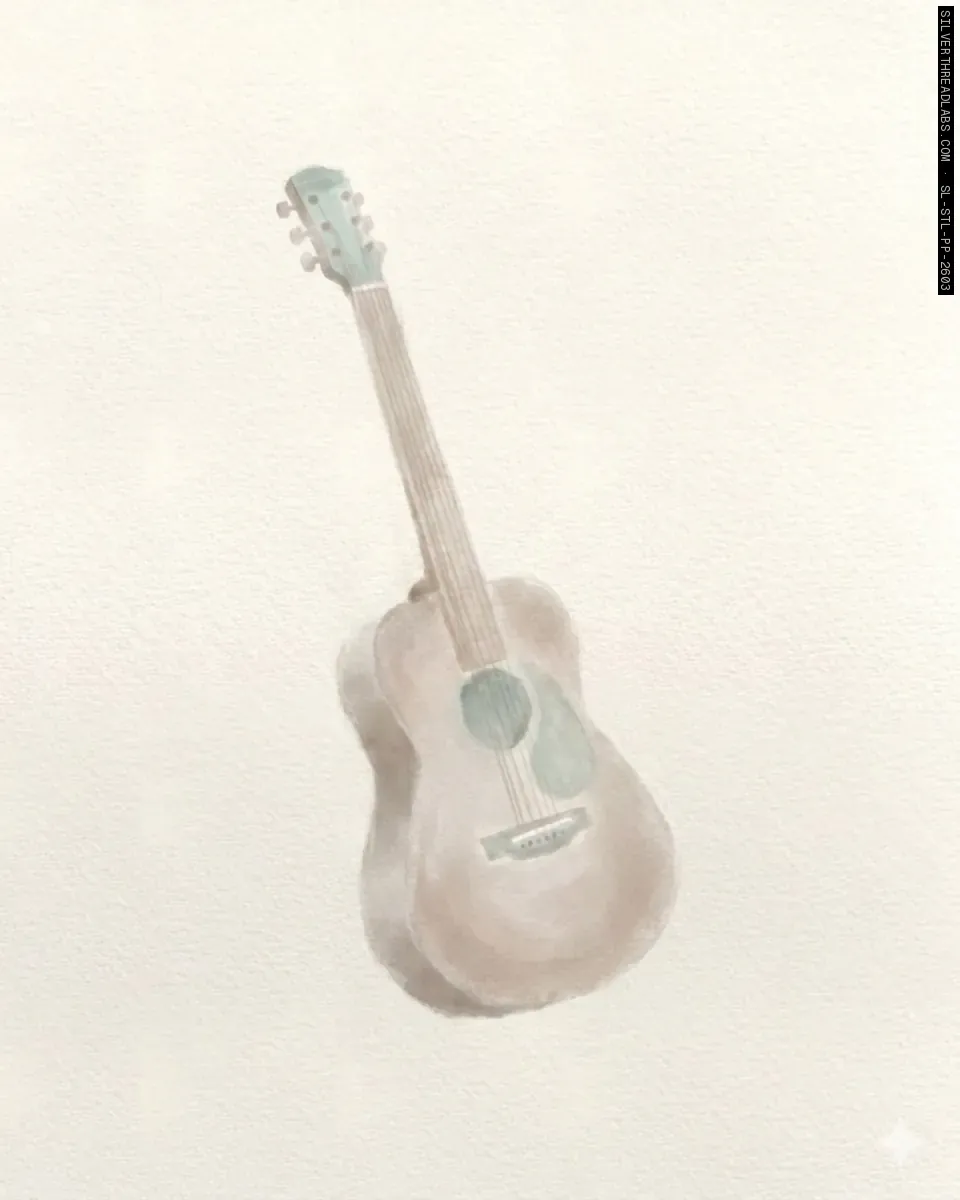 Pathless Presence's own tries
The hollow characters were hardest. The artist's own work also varied by kind, its objects more defined than its softer, more dreamlike spaces, so there was no single target.
A generator with nothing in between#
Every app wraps the model in its own instructions before a prompt reaches it, and one stray word was enough to knock this style off. So Saif built Pathless Presence its own generator, which sends every request straight to the model.
Then he scored each of the artist's paintings for the brand against the style, had GPT-5.5, Claude Sonnet and Claude Opus score each one too, and averaged the four. Her best pieces became the references and the source of a written style, and a few generated images that scored as high as hers joined them.
After the first version shipped, the artist reviewed its images on a call.
These are even better than if I'd painted them myself.
The outcome#
Pathless Presence now makes every image in-house, in its artist's style, for posters, book covers, video intros, social posts and the website, and commissions none of them. The content agent supplies the words for them in the brand's voice. The community, open and free, lives on the platform Saif built around it.