The brief#
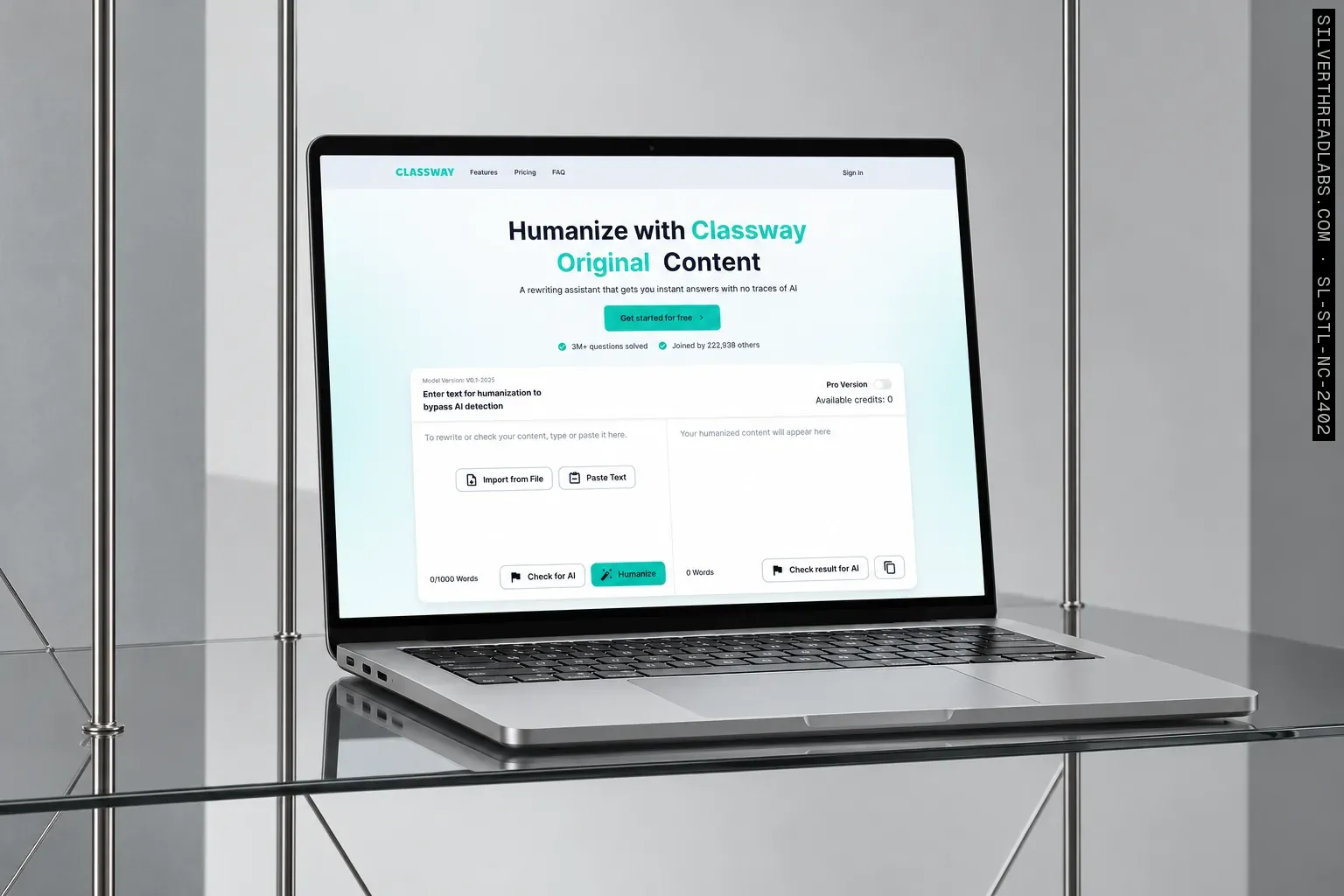
A young founder came to us in the early days of ChatGPT. He had studied what was working in EdTech and knew what students wanted before any product offered it. Students already used AI for schoolwork, and the answers it gave read like AI. His first product, Classway, would give them answers that read as a student's own.
He was starting out, and every call to an outside service would run again on every answer for the life of the product, so each call had to count.
The hard part: sounding like a student#
The founder's plan was the common one at the time: generate an answer, score it with an AI detector, rewrite it through a humanizing service, then score it again. Four outside calls for every question.
Saif Pasha tested that plan before anyone built it. The detectors of the day disagreed: a paragraph one called fully human, another could call fully AI. So Saif checked every rewrite on five at once. The market's best humanizing service gave the steadiest results, and taking it apart showed it was only handing the text, with a prompt of its own, to another language model.
That reset the design. Saif showed the founder four versions of the pipeline, and each made fewer calls than the one before, ending at one call that writes and humanizes the answer together.
The prompt took the most work. Rewriting it against all five detectors made the pattern plain: polished, evenly punctuated text marks a model. Students slip on grammar, drop commas a reader never misses, and write like someone in their final years of school, not a professor. With those traits in the prompt, every detector Saif tested scored the rewrites above 95 percent human.
That took the detectors out of the product too. Every answer began as AI text, so a detector beforehand told nothing new; once the rewrite held up, one afterwards added nothing. The score each student saw was set by design, inside the range the humanizer had earned in Saif's testing. It was never a check on their answer.
What we built for Classway#
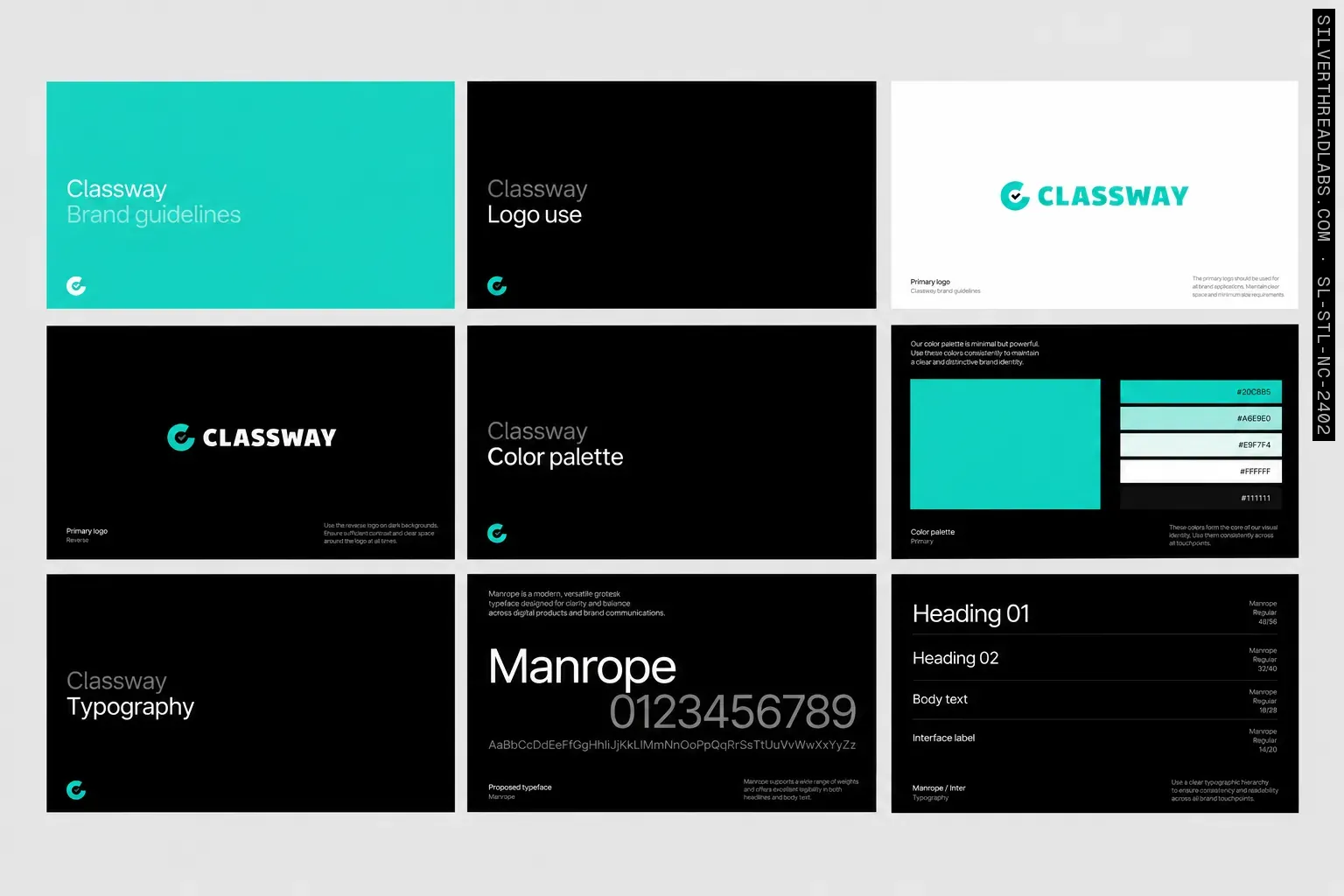
Saif designed Classway's brand and every screen, and our team shipped it as both a Chrome extension and a web app.
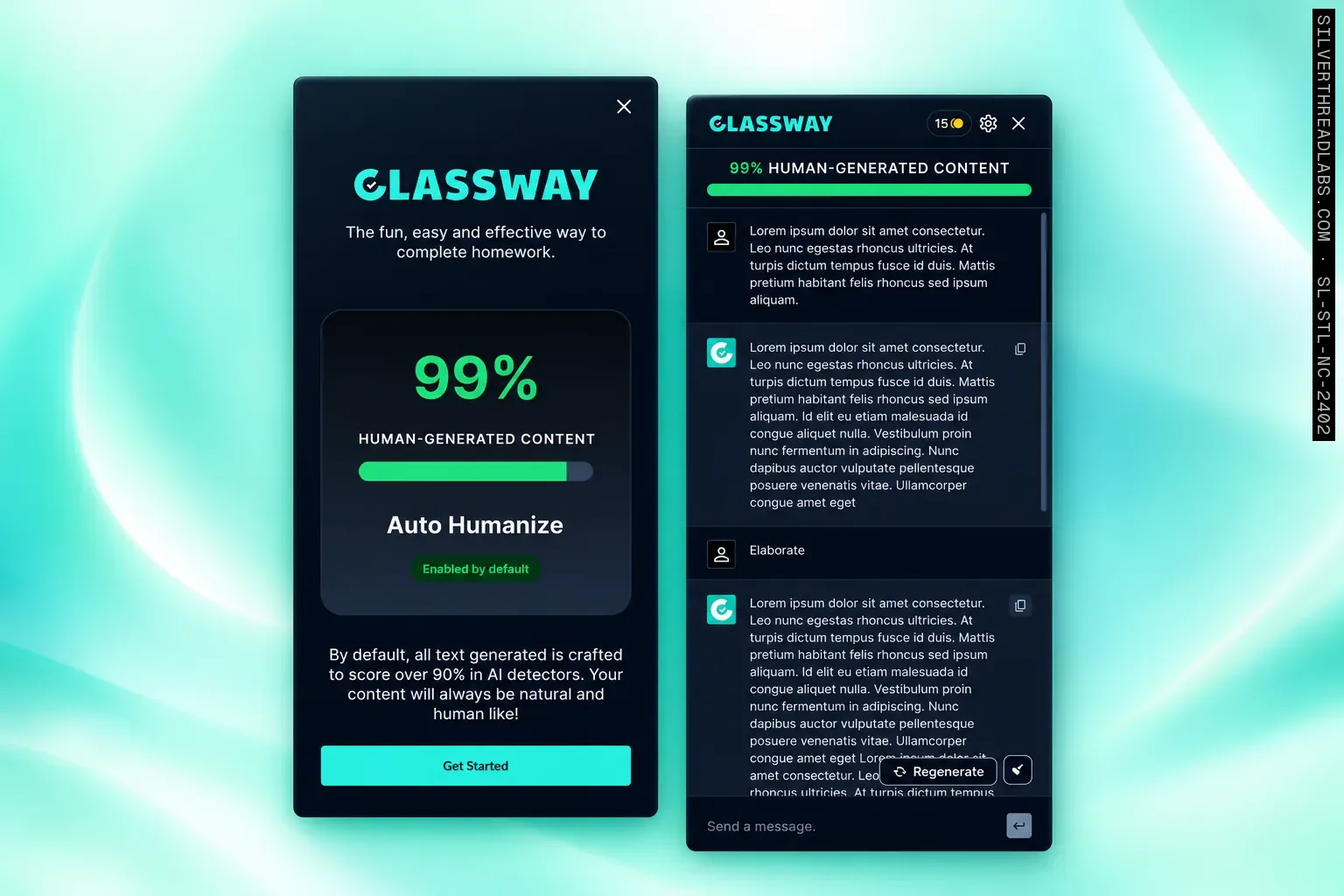
In the extension, a student could select a question on any web page, and a sidebar gave the answer and humanized it. A multiple choice mode marked the correct option in bold.
When Saif redesigned the homepage and put the humanizer into the site itself, the founder answered in one line.
You have outdone yourself Saif
NiggleAI: a course, ready to study#
Months later the founder returned with a second company. A student gives NiggleAI recorded lectures, YouTube videos, documents and PDFs, and gets back summaries, smart notes, quizzes and flashcards, plus answers to questions about any of them.
Audio and video were the hard part: a model only takes a recording once it is shrunk. Saif had already built that step on FFmpeg for Audiotextify, an earlier project of ours, so NiggleAI's uploads go through the same FFmpeg window to Whisper. Saif designed NiggleAI's brand and the app, our team built it, and Classway's humanizer joined it later.
The outcome#
Nearly all of Classway's use moved to the web app, so the extension was dropped. Classway now has more than 222,000 users, and it has answered more than three million questions. NiggleAI, the founder's second product, runs beside it. Both started earning early, and both still run and earn.


