The brief#
Bram Cohen, who started Chia after inventing BitTorrent, wanted two people to face off at games of skill for real money, live, with no casino between them and no way for the loser to walk off without paying. Chia's team built it on state channels. Both players pool their stakes in one coin on Chia's blockchain, play hand after hand off the chain with both signing every move, and settle on the chain at the end. If a player cheats or goes silent, the game moves on chain, where code enforces its rules.
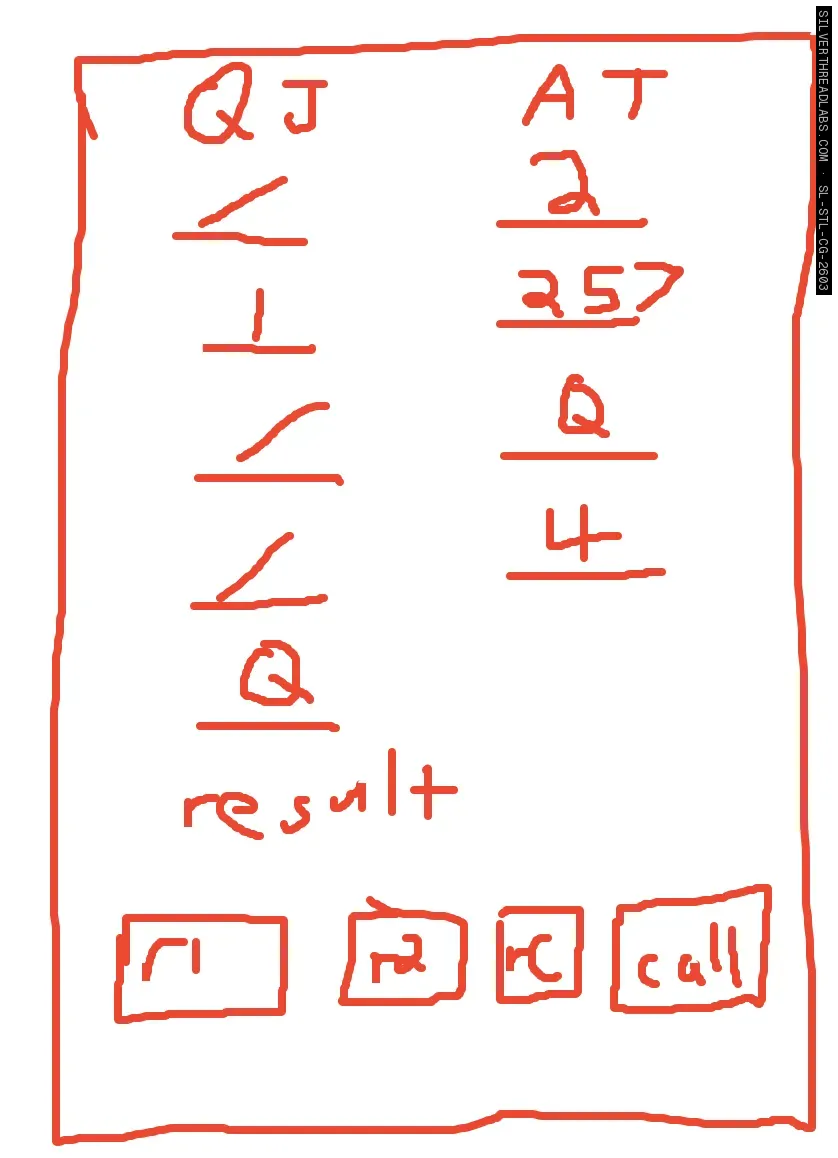
Bram wanted the idea shown in three games. In California Poker, each player gets eight cards face up and gives away four. Krunk is a word game in the Wordle mould, its name picked for trademark reasons. Space Poker plays like hold'em with no suits.
Chia's engineering lead told Saif Pasha that Bram needed help with UX and UI, and set up a call with Bram and Bram's lead engineer. The only game running then was California Poker, a plain HTML page with a handful of form controls on the Rust engine, built to test that engine, not to be played. The other two existed as sketches.
The hard part: a card table where every ending moves money#
Bram had already written down each game's rules, flow and endings, even the colour of each suit. The games still lacked a screen a player could follow. A player sees only their own side, so the screen must say whose move it is, what they are about to give up and, once the hand closes, what they won.
It must also explain endings no ordinary card game meets, each moving real money differently:
- The hand is cancelled and the money goes back.
- A cheating opponent is slashed, or one times out too early, and the other player takes everything.
- An unknown spend or a chain reorg ends the hand in an error.
- The session ends because play went on chain, a balance fell too low, or a player turned down another hand.
Designing the screens#
Bram wanted his own team on the code, because he expected many rounds of changes and wanted to make them together. That left the design to Saif, one game at a time.
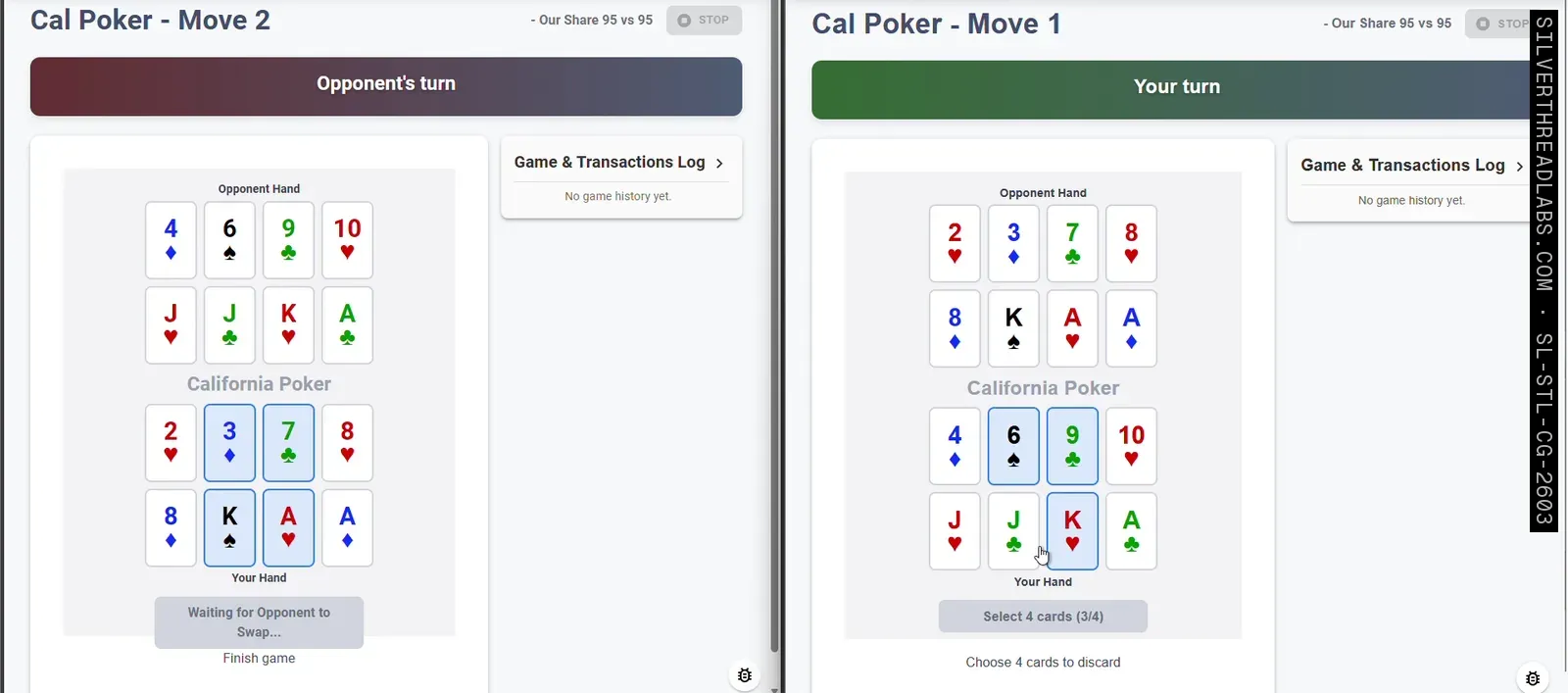
California Poker came first, drawn from one player's seat: eight cards face up, choosing four to give up, waiting on the opponent, then the swap and the result. A player sees both sets of eight cards but never which four the opponent is choosing, since that guess is the game. Bram's lead engineer reviewed each version first and Bram second, both commenting on the Figma file, and each round shaped the next. The screen tells each player whether they won or lost, with no player number, because Bram wanted no order or identity among players.
Card players, Bram expected, would want their eight cards in no set order, to arrange by hand. Saif argued for sorting them by rank, so the whole hand reads at a glance before a player picks four, and set his reasoning beside the flows. Chia's published rules for California Poker sort the hand by rank.
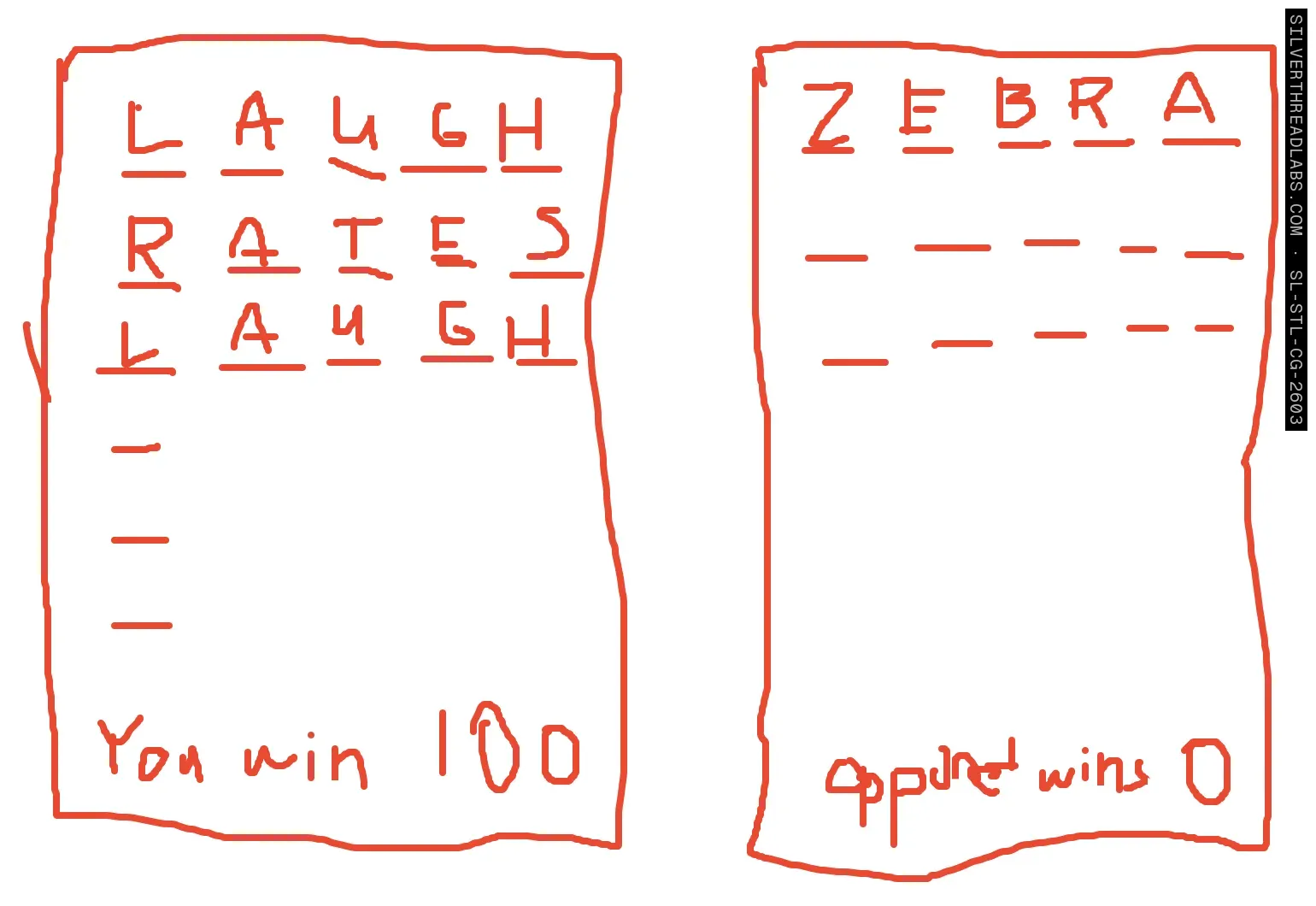
With California Poker signed off, Krunk followed: picking a word for the opponent, each guess with its clue, the result. A first or second guess takes the whole amount and every later guess pays less, so the screen shows the stake before the first guess. Bram signed Krunk off too. Space Poker grew out of California Poker's design under Saif's art direction.
Building California Poker into Chia's app#
Later, Chia's own front-end engineer was tied up elsewhere, so the company came to us for a developer. Our team joined Bram's gaming team inside Chia's repository, worked through Chia's tickets and built California Poker in the player app, from the lobby, where a player opens a room at chosen stakes and the other joins, to every move of the hand.
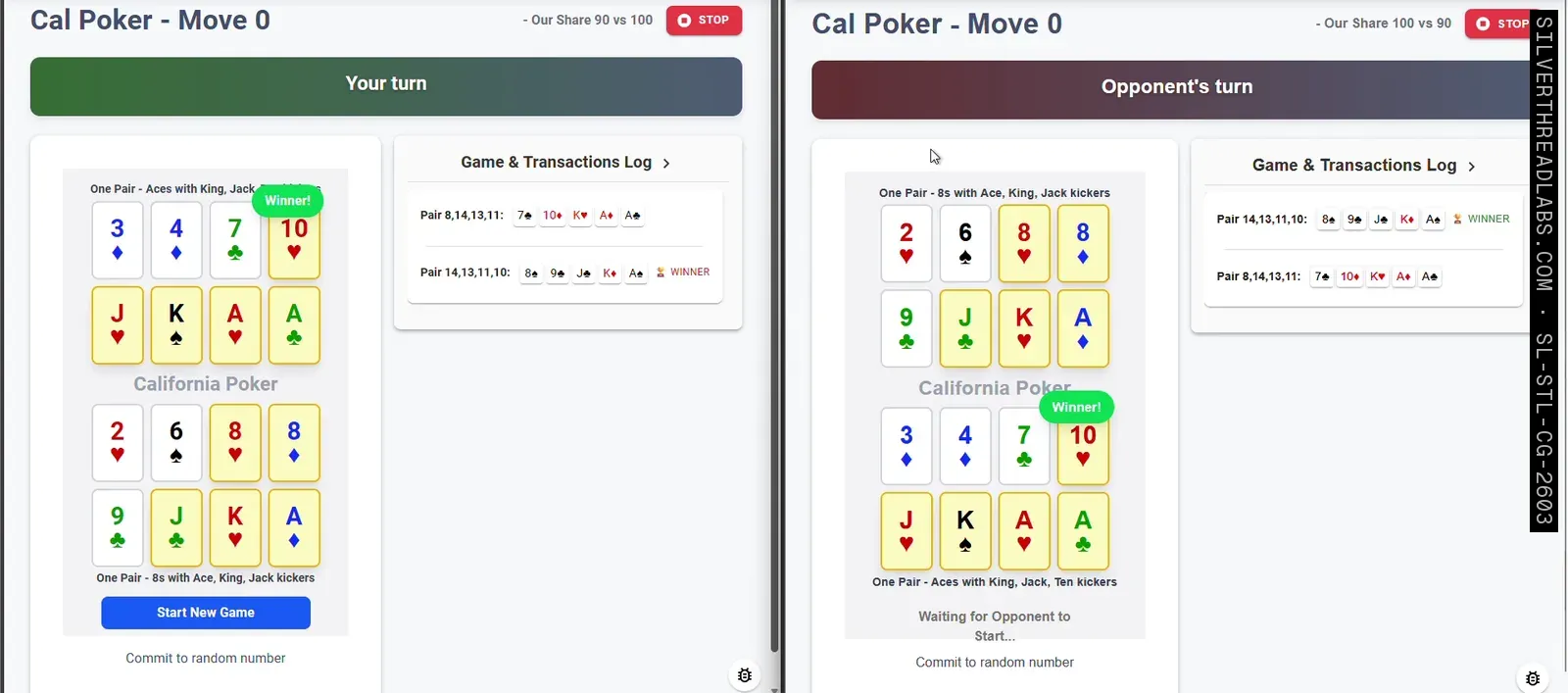
When a hand ends, the app highlights each player's best five cards and names the hand down to the kickers, so nobody is left wondering why they lost.
The outcome#
At handover, California Poker played from lobby to final hand inside Chia's own player app, and Bram had signed off both games Saif designed. Bram then carried the front end forward himself, into Chia Gaming's beta, which shipped all three games for partners to run.


